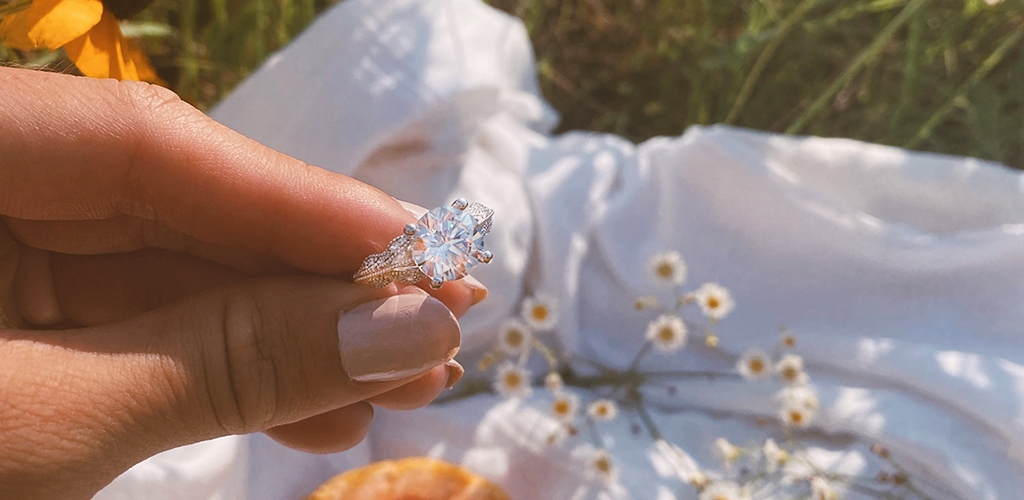
Buyers Consider Lab Grown Diamonds
Now people shopping for rings dig deeper rose gold diamond rings. Where did this stone actually come from? Does what they charge match its real value? A design that still feels right down the road matters just as much as staying within budget. This change in thinking is why lab made stones show up more often in regular stores. Now here’s a shift – shoppers aren’t just chasing cheaper tags. Their real aim? Figuring out how to get what they need without overspending. Real diamond prices frequently shock first-time buyers. Because of steep costs, people usually settle for smaller stones, less clear gems, or weaker mountings. But when you bring in a lab-made option, the whole equation shifts. A bigger, clearer stone sometimes fits right into your price range. Engagement rings feel important – durability counts, so does shine, but nobody wants payments dragging on forever. Warm-toned golds have climbed in popularity lately; their glow makes diamonds seem softer, suits more complexions too. Lately, that mix pulls interest toward newer styles: cozy metals wrapped around created gems.
How Diamonds Are Made in a Lab
A lab made diamond isn’t fake bling. Real in every way, its atoms line up just like those in earth-dug gems. Where it comes from sets it apart. Grown deep below ground, natural ones take eons to appear. Inside labs, scientists grow diamonds by copying nature’s recipe. High pressure and heat kick things off. One way uses a tiny diamond seed. Another method relies on gases doing their job. Both paths lead to shiny results
- HPHT which stands for High Pressure High Temperature
- CVD means Chemical Vapor Deposition
One way or another, both processes make diamonds ready for cutting, polishing, and grading just like earth-mined ones. Up close, under everyday conditions, spotting which is which becomes impossible without tools. Because of this, certification bodies apply identical criteria when assessing each type
- Cut
- Color
- Clarity
- Carat weight
One diamond sits next to another, nearly identical in rating, yet eyes struggle to spot where each began. Most people look and simply fail to see the origin. A mined stone blends into its twin without hint or signal.
Cost Differences Explained
What makes people pick something else? Often it’s cost. Getting lab created diamonds from the ground needs space machines movement work and complex logistics. Each step adds up before you even see the product. Making them in a lab also uses tools and power yet happens in tighter conditions that can grow easily. That difference shows clearly when comparing prices. A single-carat natural diamond, clear and bright in appearance, often runs much higher in price compared to a lab-made stone that looks just like it. This gap opens paths. It allows room to choose differently
- Choose a larger center stone
- Pay extra attention to where things happen
- Stick to what you can afford
- Avoid financing
Some shoppers care less about flash. What matters more is getting fair worth for what they spend.
How Quality Gets Judged
A smaller gem might shine brighter if its shape is done right. Even big stones lose luster when cut wrong – light just slips away. Sparkle depends less on weight, more on how it’s shaped. Look here before anything else: details matter most
Cut
Light travels differently based on the diamond’s shape. A cut rated excellent often gives off more sparkle than most others do.
Clarity
Some tiny flaws vanish to the naked eye. Not every piece demands top-tier purity.
Color
Once set in place, stones near the top of the scale may look almost identical. Their price edge comes from how little change shows when installed.
Certification
A smart move? Checking for grades by known labs like IGI or GIA. When there’s a certificate, it backs up exactly what you’re spending on.
Rose Gold and Diamonds Together Look Good
Rose gold alters a ring’s look more dramatically than most assume. Cold and sharp – that’s the vibe white metals bring. In comparison, yellow gold delivers bolder contrast. Between those ends rests rose gold – neither too warm nor too stark. Warmth sneaks into the look, yet the stone stays in charge. Attention sticks around – rose gold bands just have that pull. Softer somehow, yes, but never trendy; it skips fleeting moments. Pairings? Works quietly next to minimal styles, sings beside ornate ones too. Think clean lines meeting delicate twists
- Solitaire rings
- Hidden halo designs
- Vintage inspired settings
- Oval and pear shaped stones
A hint of warmth in a diamond might blend easier when set in certain metals, letting shoppers pick a lower color rating that still looks just as bright. Metal alters perception, quietly shifting what catches the eye.
Buyers Misunderstand These Common Points
Most folks get stuck on how big the diamond looks. Yet brightness often comes from better cutting, even if the rock is a bit smaller. Not thinking about the band’s design causes issues down the road. How it holds the gem shapes safety, feel, and daily use. Over time, slender rings can start to curve, particularly when holding big gems. Not every shopper realizes certification bodies differ in standards – some carry more weight than others. Go with labs that have built a solid reputation. Pressure from flashy promotions or countdown deals shouldn’t speed up your decision. Look closely at the details written on the report instead.
Durability and Everyday Use
Even though they grow in labs, these stones are real diamonds. Just like mined ones, they score a ten on the hardness test. This makes them tough enough for everyday use, even in wedding bands. Simple upkeep matters just the same
- Remove rings during heavy lifting
- Clean them regularly
- Check prongs for looseness
- Store jewelry separately
Filth clings when soap, lotion, or particles settle in. Shine often returns after a rinse using lukewarm liquid, gentle cleanser, plus bristles that won’t scratch.
Resale Expectations
Most people wonder if their diamond will keep its worth. Fact is, hardly any diamonds – dug up or made in labs – sell later for what they cost new. Buying jewelry tends to be about feelings, not profits. So let today’s choice reflect what matters to you right now
- Appearance
- Budget
- Durability
- Personal style
Should comfort and look matter most, a lab grown stone might save money. Not chasing resale value? That changes what makes sense.
Buy Smarter
Start by checking a few stones that have matching quality marks. Instead of still images, watch clips so you can see how they move. That motion shows off shine and balance better. Always request:
- Certification details
- Return policies
- Warranty information
- Metal specifications
Most folks overlook how thick the band is along with how tight the stone sits. When shopping from a screen, hunt down photos actual buyers posted whenever possible. Bright lights in pro shots tend to inflate sparkle beyond everyday reality. Shape decisions need patience just like everything else here. Light return peaks with rounds more than most expect. Size illusion grows with ovals even if weight stays the same. Open faces on emerald cuts put clarity front and center. Your top visual priority shapes which pick fits best.
Common Questions
Are lab diamonds considered real diamonds?
True. Identical traits, both in structure and makeup, match those of natural stones. What sets them apart comes down to location – grown in labs instead of deep underground.
Do lab diamonds last as long as natural diamonds?
True. For everyday use, their strength matches closely. Still, one might last longer depending on how it’s treated.
Why are rose gold diamond rings so popular?
Warmth of the metal meets a gentler look in these designs. A preference among shoppers emerges when rose gold pairs easily with vintage pieces or sleek new styles.